
The Short Answer
No, if you buy a specialist. Effectively yes, if you buy a platform.
That is the whole answer, and the rest of this page is about telling the two apart before you are three meetings deep into a purchase you did not think you were making.
The reason this question is confusing is that both kinds of vendor answer it with the word “no.” The specialist means no, your phones stay exactly where they are. The platform means no, because switching phone systems is included and they will handle it for you. Those are very different noes, and the difference is weeks of disruption and a contract with your current carrier.
The Two Shapes
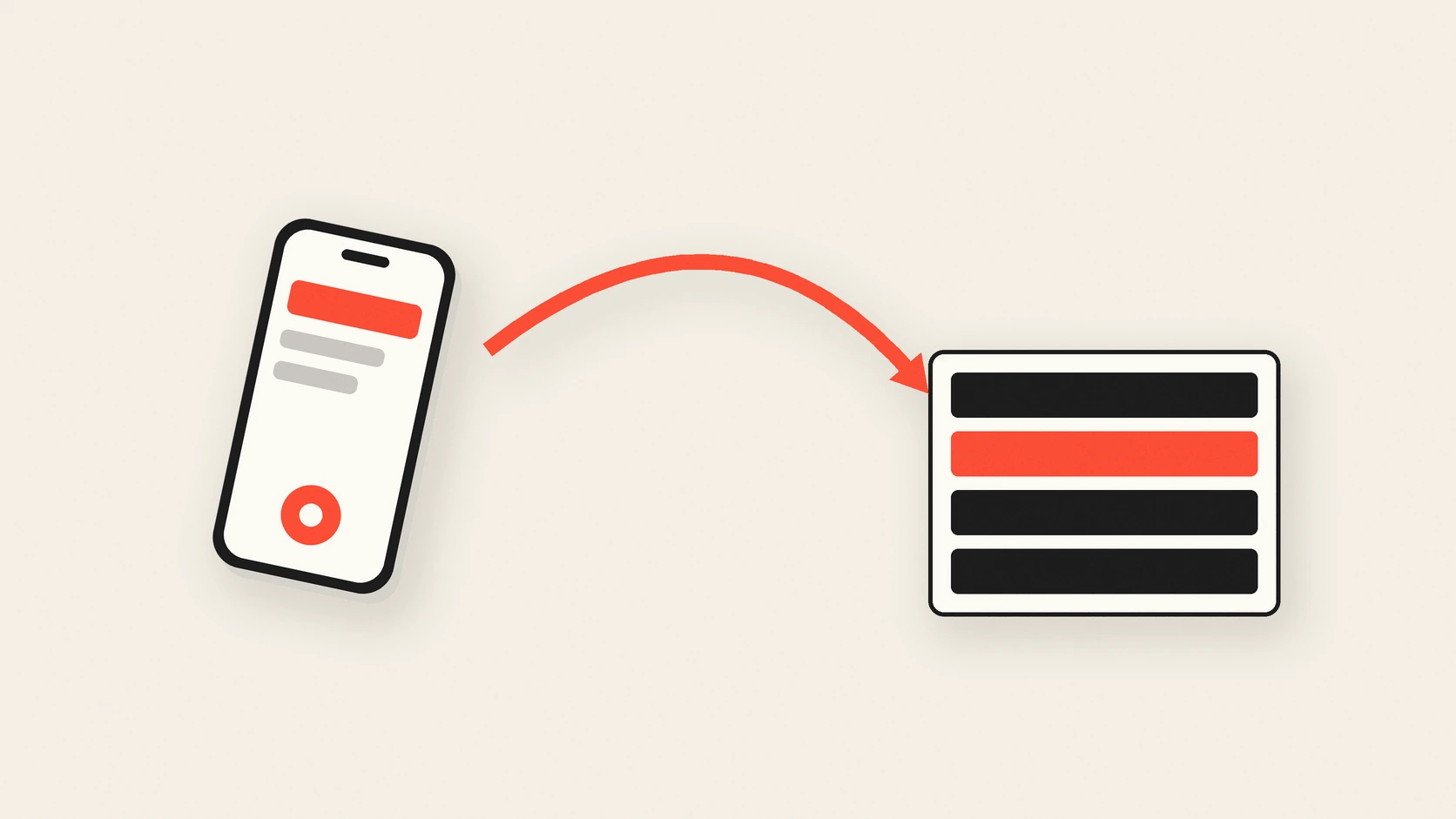
A specialist answers your phone and leaves your phone system alone. It sits behind the number you already have. Calls reach it because you send them, and you send them using a feature your current phone system already has.
A platform replaces your phone system and layers AI on top of it, along with texting, payments, reviews, forms, marketing and analytics. The AI is a capability inside the stack rather than the product itself.
Neither shape is wrong, and there are practices that should genuinely buy the platform. But the honest question is not whose AI is better. It is whether you are replacing your phone system this year. If you are, the platform conversation is legitimate and the AI is a bonus. If you are not, you are being asked to rip out working infrastructure to get a feature.
We are a specialist. We answer your phone and leave your lines alone.
What the Vendors Actually Require
All of the following was read on 16 September 2026 from each vendor’s own pages.
Weave sells a phone system. Its Phones page describes a full cloud telephony product: Call Pop showing patient information on the incoming call, cloud-based softphones that operate anywhere in the United States or Canada with an internet connection, call groups that ring multiple devices at once or in cascade, call queues, phone tree menus, voicemail boxes, visual call routing with phone hours and holiday schedule overrides, voicemail transcription, fax and multi-location call sharing. That is not an add-on to your phone system. That is your phone system. Weave states that over 35,000 locations use it for unified communications.
Adit bundles the hardware into the offer. Its AI Front Desk landing page carries the line “free phones for life when you switch to Adit,” alongside a $50 gift card for completing a 15-minute demo. The word doing the work there is “switch.” Adit sells a consolidated practice platform, and the free handsets are the on-ramp to moving your telephony onto it.
Viva AI publishes a setup sequence that never mentions your phone system. Its three steps are days one and two to connect the PMS, days three to five to teach the agent your providers, operatories, insurance rules and FAQs, and day seven to let the phones ring. Telephony replacement does not appear as a step. Viva describes going live in about a week.
Arini and Dentina describe themselves in terms of answering calls rather than carrying them. Neither publishes a requirement to change phone systems on the pages we read. Dentina’s homepage leads with booking the calls you miss and calling patients back for recalls. Arini’s describes inbound voice AI deployed for missed calls during and after business hours.
Note what this list does and does not establish. For Weave and Adit, the telephony product is published and explicit. For the other three, the absence of a stated requirement is not the same as a published promise that nothing changes. Ask them directly, and get the answer in writing.
What Forwarding Actually Is
If you buy a specialist, this is the entire technical change on your side, and it is a setting rather than an installation.
Your existing phone system almost certainly supports conditional call forwarding, which sends a call onward only when a condition is met. The three conditions that matter here:
- Busy. Every line is occupied. This is your overflow at eleven in the morning.
- No answer. The phone rang a set number of times and nobody picked up. This is your lunch hour and your understaffed Tuesday.
- Time of day. Outside your published opening hours. This is your nights, weekends and holidays.
You can switch on any one of those, or all three. A practice that is nervous about the whole idea usually starts with time of day only, so the AI covers nights and weekends while every daytime call still rings at the desk exactly as it does now. That is a reversible first step, and it is the one we recommend to practices that want to see transcripts before they commit further.
Unconditional forwarding, which sends every call onward immediately, is the other end of the range. It is what you move to once you trust the configuration, and it is what gets you the sub-second answer on every call rather than only the overflow.
No new handsets are required for any of this. The phones on your desks keep working, your internal extensions keep working, and the number on your signage does not change.
The Number Question, and Your Actual Rights
The quietest fear in this category is losing the number printed on every sign, insurance listing and appointment card you own. Two separate things get confused here, so it is worth separating them.
Forwarding does not touch ownership. Your number stays with your carrier. You are simply telling your carrier where to send calls. Reversing it is another setting.
Porting moves the number to a different provider. This is what happens if you switch to a platform, and it is where your rights matter.
The FCC’s consumer guide on keeping your telephone number when changing service providers, last reviewed 10 December 2025, sets out the protections. Once you request service from a new company, your old company cannot refuse to port your number, even if you owe money for an outstanding balance or a termination fee. FCC rules require simple ports, meaning those not involving more than one line or complex switching changes, to be processed in one business day.
Three caveats in the same guide are worth knowing before you agree to anything. Companies may charge a porting fee, though you can ask whether it can be waived or negotiated. You should not terminate service with your existing company before initiating service with the new one. And porting is not always possible: moving to a new geographic area can prevent it, and some rural wireline providers hold waivers from state authorities that exempt them from the porting requirement.
That last one is the trap for rural practices specifically. If you are on a rural wireline provider and a platform vendor promises to move your number, confirm the port is actually available before you sign, not after.
Five Questions for Your Current Phone Provider
You can answer most of this in a ten-minute call to whoever bills you for your phone lines, and it is worth doing before any vendor demo.
- Do we have conditional call forwarding, and can we set it ourselves? Some systems expose it in an admin portal, some require a support ticket for every change.
- Can forwarding be set by time of day? This is the one that enables the cautious rollout. If it is not available, you are choosing between all calls and overflow only.
- How many simultaneous calls can our lines carry? If you have two lines, the third caller gets a busy signal before any AI hears them. An AI that handles unlimited simultaneous calls cannot help with a call that never reaches it.
- Are we in contract, and what is the termination fee? You need this number before a platform vendor offers to cover it, and you need it to know what the free handsets are actually worth.
- Is our number portable? Ask specifically, especially on rural wireline.
What We Require
Nothing new. You forward your calls to us on the conditions you choose, and the phones in your practice stay as they are. There is no handset to install, no line to move and no port to schedule.
Setup is a one-time $500 fee charged up front, covering AI configuration, PMS integration and founder-led onboarding. The service is $399 a month flat, month to month, with the first month free and no long-term contract. Calls are unlimited, with no monthly cap, no per-call charge and no overage rate.
The configuration work that actually determines whether this succeeds is on the other side: your appointment types, provider hours, operatory routing, block-outs and your escalation rule. That is where the time goes, and it is why we do onboarding rather than sending you a login.
Where This Sits
The specialist and platform split runs through most of the decisions in this category. The five facts that decide which AI receptionist fits treats it as one of the five, and our buyer’s guide covers pilot terms and what a contract should say. If your current setup sends after-hours callers to voicemail, why practices are replacing voicemail is the case for changing the forwarding rule at all.
FAQs
Will patients notice anything different about our number? No. They dial the same number. With forwarding, nothing about the number changes at all.
Can we turn it off if we hate it? On a specialist, yes, and quickly, because reversing a forwarding rule is a setting change on your side rather than a request to a vendor. That asymmetry is worth weighing: a platform migration is not reversible in an afternoon.
Do we need better internet? Not for forwarding. The call travels over your existing phone service to us. Internet quality matters for cloud phone systems, which is a platform concern rather than a specialist one.
What if we are already planning to replace our phones? Then the platform conversation is a fair one and you should have it properly, comparing the whole stack rather than the AI alone. Buying a phone system for its AI is a reasonable decision. Buying one by accident is not.
Does forwarding cost us anything? That depends on your carrier and plan, and some bill forwarded minutes. Ask question four above at the same time as the rest, because it is a real line item that vendors on both sides tend to leave out of the comparison.
Sources
Vendor claims on this page were read on 16 September 2026 from each vendor’s own pages: the Weave Phones page, the Weave AI page, the Adit AI Front Desk landing page, the Viva AI homepage, the Arini homepage and the Dentina homepage. Porting rules and rights are from the FCC consumer guide linked above, last reviewed 10 December 2025. Vendor pages in this category change frequently, so treat every figure above as accurate on the date read.
Related Posts

How to Calculate ROI on an AI Receptionist
Every vendor ships a calculator pre-filled with its own assumptions. Here is the arithmetic that uses your numbers instead, including the discount none of those calculators apply.
AI Receptionist Buyer's Guide for Dentists
Three demos, three good impressions, no way to compare them. The tests to run, the contract terms to demand, and the scorecard to decide with.

What Does a Dental AI Receptionist Cost?
A straight answer to the monthly question, the arithmetic for your first year, and the five line items that turn a quoted number into the actual bill.