
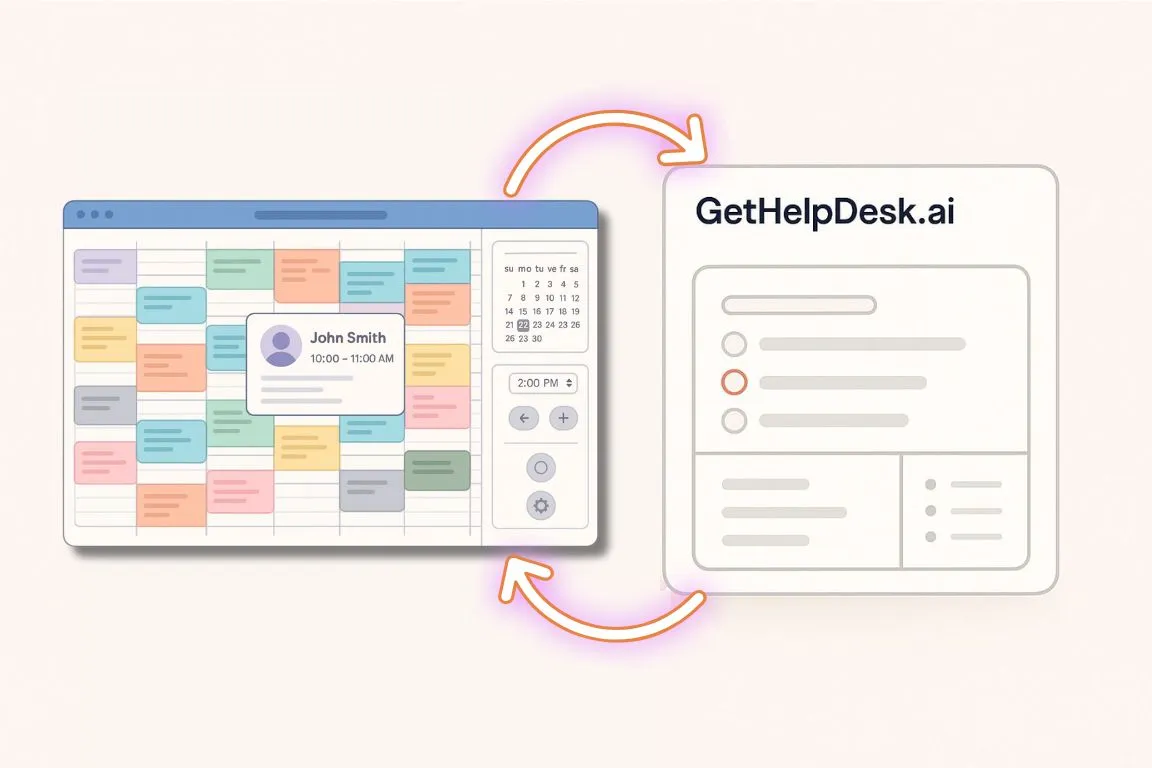
If your practice uses Open Dental, choosing an AI receptionist is not just about whether it can answer the phone. It is about whether it can work the way your front desk actually works.
That distinction matters. Many AI phone tools can take a message or dump someone into the next open slot. That is not good enough for a real dental practice. If the system does not understand recalls, provider availability, operatories, block-outs, procedure codes, treatment context, and your appointment rules, it will create more work instead of less. How AI schedules without double-booking you covers those conflict rules in detail.
This guide covers what Open Dental practices should actually look for in an AI receptionist, and where most vendors fall short.
Why Open Dental practices need a higher bar
Open Dental is flexible, which is one reason so many modern dental practices use it. But that flexibility also means a weak AI tool can make a mess fast.
A dental practice is not a generic calendar.
Your schedule may include:
- different appointment lengths by procedure
- specific procedure codes tied to the appointment being booked
- provider-specific availability
- operatory-specific workflows
- recall scheduling rules
- block scheduling rules
- emergency slots
- hygiene columns and doctor columns that need to stay coordinated
- existing treatment plans that affect what should happen next
If an AI receptionist cannot handle that complexity, it is not really helping. It is just moving the chaos from the phone to the schedule.
What to look for in an AI receptionist for Open Dental
1. Real-time Open Dental schedule access
This is the baseline requirement.
An AI receptionist for Open Dental should be able to check the live schedule, see real availability, and book directly into the PMS. If it cannot do that, your team is still stuck calling patients back or manually entering appointments.
For practice owners, this is the first filter. If the product only takes messages or sends a booking request to staff, it is not a true AI receptionist. It is a glorified answering service.
2. Correct appointment type and recall handling
This is where a lot of systems break.
Booking “an appointment” is easy. Booking the right appointment is the hard part.
A useful AI receptionist should understand things like:
- new patient exam vs emergency exam
- hygiene visit vs doctor visit
- recall scheduling rules
- timing and duration differences by appointment type
- which procedure codes should be added when the appointment is booked
- whether the patient should be routed into an existing recall workflow
- whether the patient’s treatment plan changes what should be scheduled next
This matters because recall scheduling is not a side use case. For many practices, it is a major source of steady production. If your AI cannot handle recalls cleanly, it leaves revenue on the table.
3. Provider and operatory routing
This is one of the biggest differentiators for Open Dental practices.
The right AI receptionist should not just ask, “What time works for you?” It should know whether the appointment belongs with a specific provider, in a specific operatory, or inside a specific column structure.
That means checking:
- provider availability
- operatory availability
- the right appointment duration
- the right placement in the actual schedule
This is the difference between software that books appointments and software that books appointments correctly.
4. Block scheduling support
Many practices do not run a totally open schedule. They use blocks to protect production, keep provider time clean, and avoid creating bottlenecks for the team.
If your office uses block scheduling, your AI receptionist needs to respect it.
That means it should not:
- drop lower-value appointments into protected production blocks
- ignore designated hygiene or emergency patterns
- fill open-looking time that is not actually meant for that type of patient
An AI receptionist that ignores blocks can make your schedule look busy while making the day less profitable.
5. It should follow your rules, not just your calendar
This is where most comparisons get too shallow.
The real question is not, “Does it integrate with Open Dental?”
The real question is, “Does it schedule the way my best front desk person schedules?”
That includes rules like:
- which appointment types can go where
- which procedure codes belong with which bookings
- which patients need human review
- how recalls should be booked
- how treatment-plan context should influence scheduling
- what to do after hours
- when to route to the office instead of finishing the booking automatically
A strong system adapts to your office. A weak one forces your office to adapt to the software.
6. Human handoff when needed
Not every call should be fully automated.
Some calls need a person. Insurance edge cases, unusual scheduling requests, upset patients, and high-value treatment questions are all moments where a smart handoff matters.
A good AI receptionist should know when to:
- complete the booking itself
- collect the right context first
- route the call or task to the team
- update communication logs so the team has a clean record of what happened
- notify staff with enough detail to act fast
The goal is not to automate everything blindly. The goal is to automate the right things and escalate the rest cleanly.
7. Reporting and accountability
One reason owners adopt an AI receptionist is visibility.
You should be able to see:
- how many calls were answered
- how many appointments were booked
- which calls were handed to staff
- what happened after hours
- whether recall and emergency opportunities were captured
- whether communication logs were updated cleanly inside the workflow
Without reporting, you are forced to trust that the system is working. With reporting, you can actually manage it.
8. HIPAA compliance and real onboarding support
Open Dental practices are dealing with patient data, so compliance is not optional.
The vendor should be able to explain:
- how data is handled
- how access is controlled
- how the Open Dental connection is secured
- what onboarding looks like
- who helps configure your practice rules
This matters because even a good product can fail if the implementation is sloppy.
Red flags to watch for
When evaluating an AI receptionist for Open Dental, watch for these warning signs:
- it only takes messages and does not book directly
- it books into the next open slot without understanding appointment rules
- it cannot explain how recalls are handled
- it ignores provider and operatory routing
- it has no clear answer for block scheduling
- it requires your staff to fix lots of bookings manually
- it talks more about “AI” than about real front desk workflows
If you hear those things, keep looking.
Why GetHelpdesk.AI is a strong fit for Open Dental practices
GetHelpdesk.AI was built around a simple idea: we do not take messages. We book appointments.
For Open Dental practices, that means more than a surface-level integration.
What makes GetHelpdesk.AI different:
- direct Open Dental integration as an authorized API partner
- intelligent scheduling that checks provider and operatory availability
- stronger recall handling than basic phone bots
- support for adding the right procedure codes when appointments are booked
- awareness of patient treatment-plan context when deciding what should be scheduled next
- support for block-outs and real scheduling rules
- communication-log updates that help the team stay aligned on what happened
- after-hours and overflow call coverage without sending patients to voicemail
- practice-specific setup so the AI follows your workflow, not a generic script
Across the network, GetHelpdesk.AI has answered 77,000+ patient calls and booked 6,300+ appointments since December 2024, with 45 locations answering 24/7 as of the last 30 days.
That is the real test. Not whether the AI sounds impressive in a demo, but whether it can help your practice capture revenue without creating front-desk cleanup work.
If you want the technical integration details too, see our guide on how GetHelpdesk.AI integrates with Open Dental and our Open Dental integration page.
Key takeaways
- Open Dental practices need more than a phone bot that answers calls.
- The best AI receptionist should handle recalls, provider routing, operatories, procedure codes, treatment context, and scheduling rules.
- Block scheduling support matters if you want to protect production and keep the day running cleanly.
- A real integration should book the right appointment, not just any appointment.
- Updating communication logs matters because your team needs clean follow-through, not missing context.
- The best systems reduce front-desk workload instead of creating cleanup work later.
FAQ
Can an AI receptionist work with Open Dental?
Yes. An AI receptionist can work with Open Dental if it has a real integration that checks live availability and can book appointments directly into the system.
Can AI book appointments directly in Open Dental?
Yes. The stronger products can read the Open Dental schedule, check availability, and place appointments directly into the PMS instead of sending a message to staff.
What should Open Dental practices look for in AI scheduling?
Look for correct appointment-type handling, recall support, provider and operatory routing, procedure-code accuracy, treatment-plan awareness, block scheduling support, and clean handoff to staff when needed.
Can AI handle recall scheduling in Open Dental?
It can, if the system is designed for dental workflow rather than generic call answering. This is one of the most important things to verify in a demo.
Why is provider and operatory routing important?
Because a dental appointment is not just a time slot. The right provider, room, and schedule context all matter if you want the day to run smoothly.
Is an AI receptionist for Open Dental HIPAA compliant?
It should be, but you need to verify the vendor’s security and compliance practices before going live.
Conclusion
If your practice runs on Open Dental, the right AI receptionist should make your schedule stronger, not messier.
That means real-time booking, recall handling, provider and operatory awareness, respect for block scheduling, and a clean fit with how your team actually works.
None of those constraints are specific to Open Dental. What it takes to book a dental patient works through why each one exists.
If you want to see what that looks like in practice, book a GetHelpdesk.AI demo. We can show you how it works with Open Dental and how it handles the real scheduling complexity most vendors gloss over.
Related Posts
What No-Shows Cost a Dental Practice
Work out what no-shows and late cancellations cost your practice with your own numbers, and how outbound AI confirmation calls and texts reduce the damage.

How an AI Phone Agent Works for a Dental Office
An AI phone agent answers in under a second, offers real times from your schedule and books while the caller is on the line. Here is the call, step by step.

Scheduling the Orthodontic Patient Journey
"I want braces" can mean a consultation, a records visit or the start. How to map the orthodontic patient journey to the right appointment types by phone.